Space science
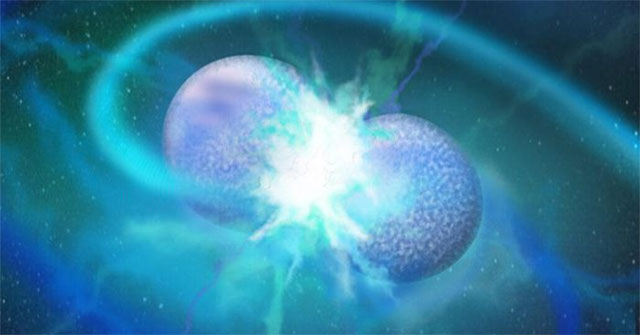
Rare collision of dead stars may give new life
Like the phoenix, some stars can explode with life and emerge from the 'ashes' of previously passed stars.
Browse ScienceInfo articles and explainers related to Dead Star.
13 published items.
Like the phoenix, some stars can explode with life and emerge from the 'ashes' of previously passed stars.
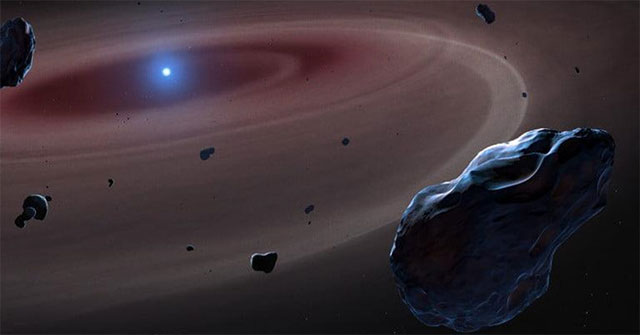
Planets orbiting a dead star emit special electromagnetic radiation that we can capture from Earth.
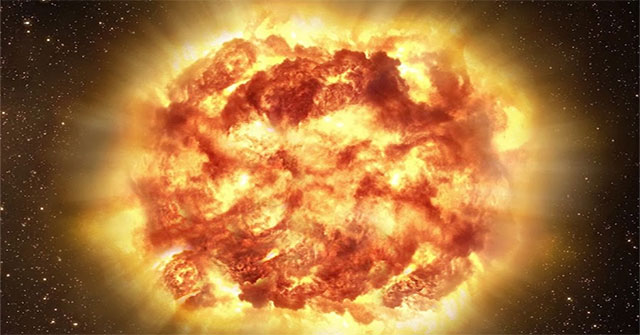
The sun will also be in a state of enlargement, burning the surrounding walls before cooling
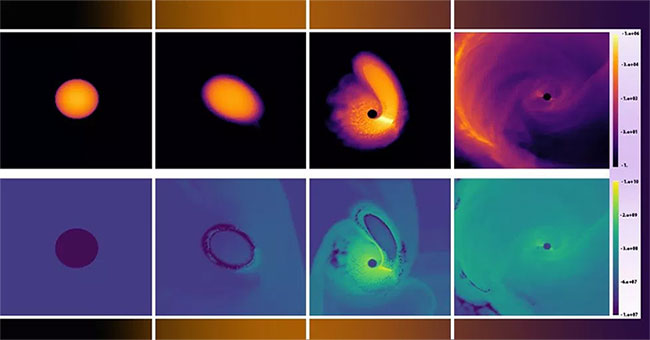
Black holes are invisible 'objects' in space, where gravity is so great that it draws everything inside, including light.
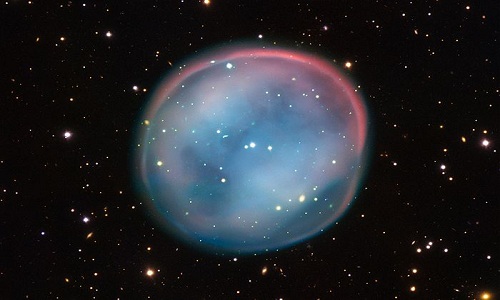
The dead star body glows like a giant bubble floating in the darkness of the universe.
Fluorine in toothpaste products can be formed billions of years ago from dead stars.
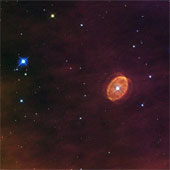
The US Aeronautics and Space Agency (NASA) is focusing its attention on a star that may soon become a supernova more than 20,000 light years from Earth.
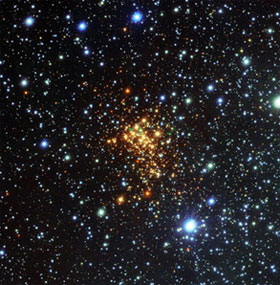
The largest known star in the universe is currently in a throes of death as it constantly throws out its interstellar space of energy and material resources, UPI said on…
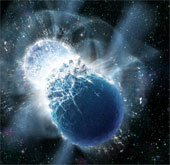
Researchers at Harvard University (USA) on July 17 said a strange light source in the universe has provided new evidence that all the gold on Earth is formed by the deat…
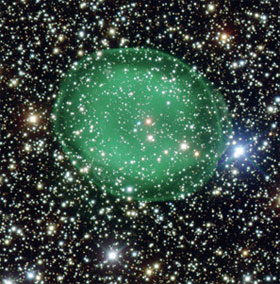
European astronomers have announced the image of a star about 3,300 light-years from Earth, emitting the last bright light before disappearing forever.
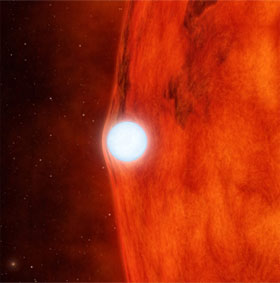
Space telescope Kepler and experts of the American Palomar Observatory found the super-solid white dwarf died in a binary star system.
Dead stars may be the future of space travel missions, replacing the Earth's navigation systems with the universal navigation system.
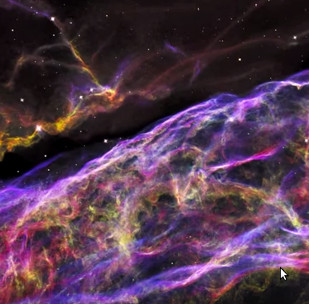
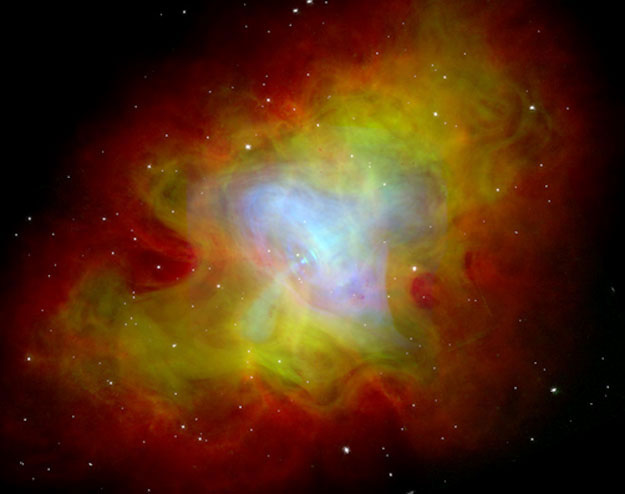
The Hubble Space Telescope of the US Aeronautics Agency (NASA) photographed the debris of a giant star that exploded 8,000 years ago.